The AI revolution is creating an unexpected problem for people who want to run AI locally: the hardware needed to escape cloud subscriptions is becoming increasingly expensive.
For years, buying a powerful GPU was a straightforward decision. You compared performance, VRAM, power consumption and price, then chose the best card within your budget.
That calculation is getting harder.
The rapid expansion of AI infrastructure is changing the economics of the hardware market. Memory demand is rising, GPU availability is becoming less predictable, and some high-end graphics cards are now selling far above their launch prices.
For anyone interested in running AI models locally, this raises an important question: will owning your own AI hardware become more expensive just as local AI becomes more useful?
Let's look at the actual numbers, what the technology media is reporting, and what this could mean for the future of local AI.
GPU prices in India: the numbers tell the story
One of the clearest ways to understand the recent market shift is to compare the prices of NVIDIA's two high-end consumer graphics cards: the RTX 5090 and RTX 5080.
TechSpot tracks the lowest available in-stock retail price for graphics cards across multiple countries. Its India data shows a substantial increase between November 2025 and October 2026 (TechSpot — GPU Pricing Q4 2026, TechSpot — GPU Pricing Mid-2026).
RTX 5090: from ₹2.61 lakh to ₹8.40 lakh
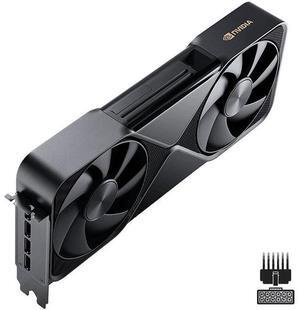
The RTX 5090 is a 32GB graphics card that has attracted attention from both high-end PC builders and AI enthusiasts. The GIGABYTE AORUS GeForce RTX 5090 is the 32GB card we stock, listed at a price we publish rather than one the market invents.
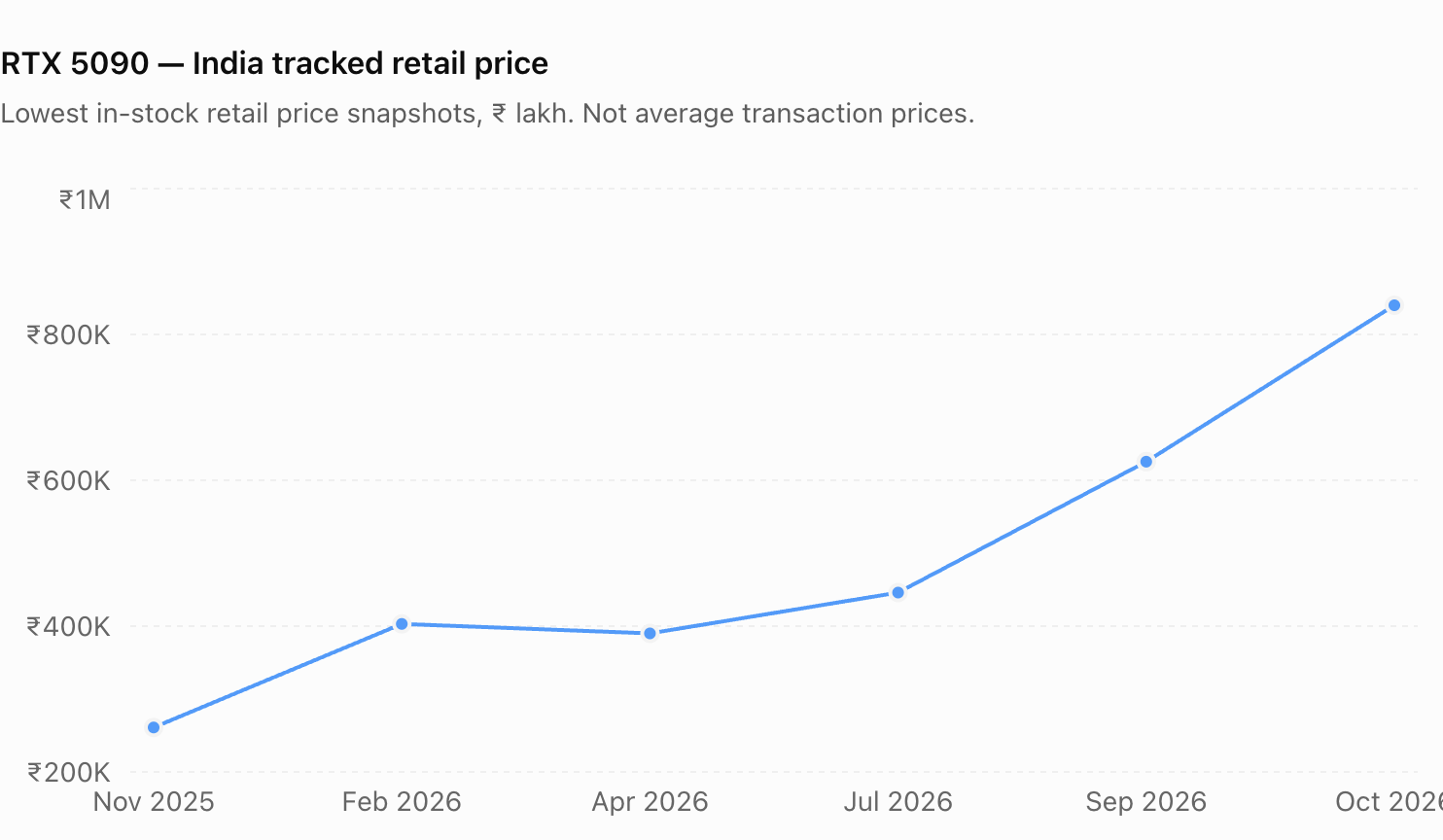
| Month | Lowest tracked price |
|---|---|
| November 2025 | ₹2,61,000 |
| February 2026 | ₹4,03,000 |
| April 2026 | ₹3,90,000 |
| July 2026 | ₹4,46,000 |
| September 2026 | ₹6,25,500 |
| October 2026 | ₹8,40,000 |
From November 2025 to October 2026, the tracked price increased by approximately 222%. That means the card's lowest tracked price became more than three times its November 2025 level.
The increase was not perfectly linear. Prices moved around during the first half of 2026 before accelerating sharply in the later snapshots.
RTX 5080: from ₹1.10 lakh to ₹2.10 lakh
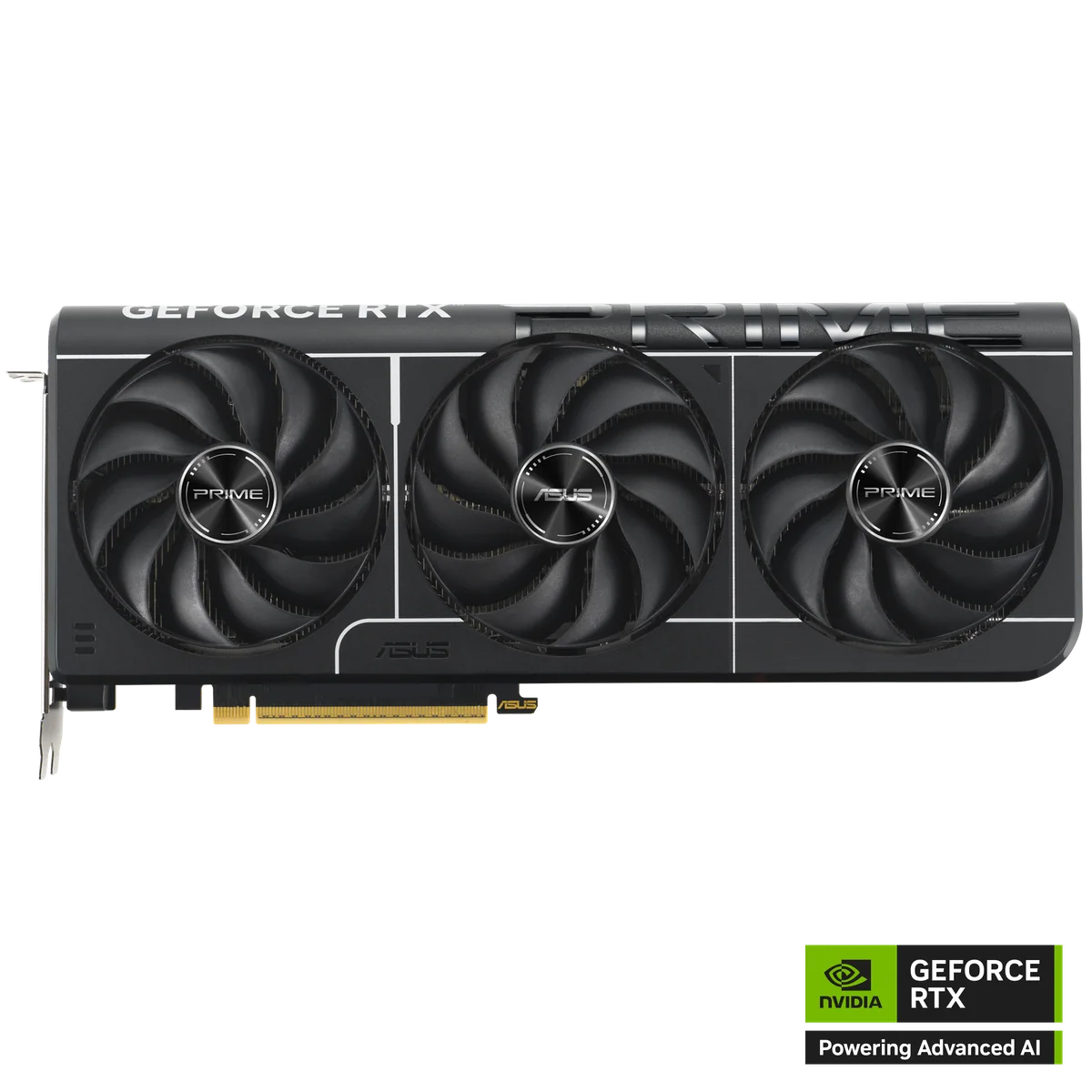
The RTX 5080 has 16GB of GDDR7 memory and sits below the flagship RTX 5090. The ASUS Prime GeForce RTX 5080 16GB is the model the India figures below are tracking.
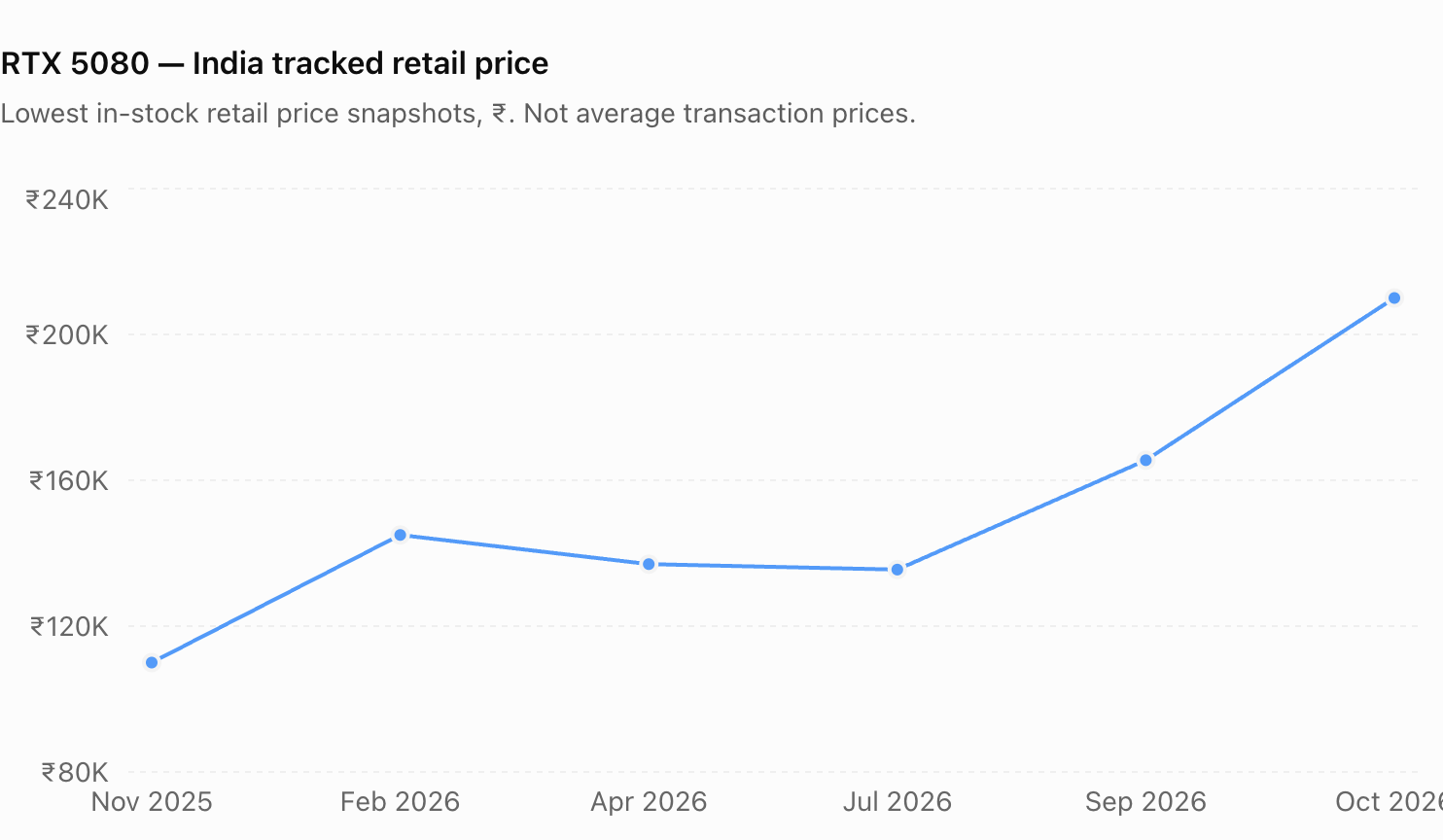
| Month | Lowest tracked price |
|---|---|
| November 2025 | ₹1,10,000 |
| February 2026 | ₹1,45,000 |
| April 2026 | ₹1,37,000 |
| July 2026 | ₹1,35,500 |
| September 2026 | ₹1,65,500 |
| October 2026 | ₹2,10,000 |
The RTX 5080's tracked price increased by approximately 91% over the same period. Even though the 5080 did not experience the same extreme increase as the 5090, nearly doubling its price in less than a year is significant.
How much have these GPUs increased?
| GPU | November 2025 | October 2026 | Increase |
|---|---|---|---|
| RTX 5090 | ₹2.61 lakh | ₹8.40 lakh | +222% |
| RTX 5080 | ₹1.10 lakh | ₹2.10 lakh | +91% |
Methodology note: these are TechSpot's lowest tracked in-stock retail price snapshots, not average selling prices, official NVIDIA prices or a record of completed transactions. The ₹8.40 lakh RTX 5090 figure is an especially extreme market listing. It should not be interpreted as the price every Indian buyer would pay.
This is not just a graphics card problem
The GPU market is connected to a much larger hardware ecosystem. Modern AI infrastructure requires more than powerful processors. It needs high-bandwidth memory (HBM), GDDR memory for graphics cards, large amounts of system RAM, high-capacity SSD storage, advanced packaging and semiconductor manufacturing, plus data centres, cooling and electricity.
AI companies are building infrastructure at an extraordinary scale. That creates competition for components and manufacturing capacity that are also needed by consumer electronics and PC hardware.
One particularly important pressure point is memory.
AI is putting pressure on memory supply
In January 2026, Ars Technica reported that the AI-fuelled memory shortage was beginning to affect GPUs, SSDs and other computer components (Ars Technica — RAM shortage chaos expands to GPUs, high-capacity SSDs, and even hard drives).
The article highlighted how direct-to-consumer RAM kit prices had increased by 300–400% by the end of 2025. It also discussed the possibility of GPU manufacturers prioritising more profitable models when memory and other components are constrained.
This matters because graphics cards need dedicated video memory. A shortage or increase in the cost of memory components can affect production economics and product availability.
NVIDIA's AI infrastructure is becoming more expensive too
In August 2026, Reuters reported on a Bloomberg News report that some of NVIDIA's largest customers had been notified of price increases exceeding 15% for certain AI server systems (Reuters via Investing.com — Nvidia customers notified about AI-related price hikes above 15%).
The reported increases were attributed to rising memory chip costs and were expected to affect systems shipped early the following year.
There is an important qualification: Reuters said it could not independently verify the Bloomberg report at the time, and NVIDIA did not immediately comment. Nevertheless, it illustrates the cost pressures being reported in the AI infrastructure supply chain.
The cost of professional AI GPUs is also moving up
The New Indian Express reported in August 2026 that NVIDIA's RTX PRO 6000 Blackwell was listed at $16,000, compared with $13,250 earlier in the year and a reported launch price of $8,565 in March 2025 (The New Indian Express — NVIDIA GPU price rise pushes up AI infrastructure costs).
These are professional workstation GPU prices, not consumer GeForce prices. But they provide another example of how expensive high-end AI-capable hardware can become. The article also discussed memory supply constraints and the growing demand from AI data centres. The card that reporting is about, the NVIDIA RTX PRO 6000 Blackwell Workstation Edition, is in our catalogue with a current price next to it.
Is AI demand responsible for every GPU price increase?
Not necessarily. It is tempting to connect every GPU price increase directly to AI data centres, but the market is more complicated. Several factors can influence retail prices:
- Memory supply and costs. AI data centres consume enormous quantities of high-bandwidth memory. Memory manufacturers also serve other markets, and supply constraints can affect component costs across the industry.
- Limited GPU availability. When fewer units are available, retailers and distributors may raise prices. This can be particularly severe for flagship products.
- Product allocation. Manufacturers may prioritise higher-margin products when production capacity or components are constrained. Ars Technica discussed this possibility in the context of the RTX 5070 Ti and RTX 5080.
- Retailer pricing and speculation. A listed price is not always a reflection of manufacturing cost. Scarcity, reseller behaviour and expectations of future shortages can push retail prices much higher.
- AI infrastructure demand. Large AI companies are competing for GPUs, memory and server capacity. This creates a different demand environment from the traditional gaming PC market.
The most defensible conclusion is not that AI alone caused every consumer GPU price increase. It is that the AI infrastructure boom is adding pressure to an already complex semiconductor and memory supply chain.
What does this mean for people building local AI systems?
Local AI has several advantages over relying entirely on cloud services: your data can remain on your own hardware, you are not dependent on a third-party API for every request, you can run models without paying per-token inference fees, you can customise your AI environment, and you can continue working without an internet connection depending on the model and setup.
But local AI has one major disadvantage: the initial hardware investment. A capable GPU can cost a significant amount, and the price of the hardware is only one part of the total system cost. You also need to consider RAM capacity, SSD storage, power consumption, cooling, motherboard and CPU compatibility, model size and quantisation, and performance requirements.
A GPU that looks affordable on paper may not be the right choice if it has insufficient VRAM for the models you want to run. If you want the longer version of that argument, we wrote a separate piece on how much VRAM you actually need.
VRAM matters more than many people realise
For local AI, VRAM is often one of the most important specifications. A powerful GPU with limited VRAM can struggle to run larger models. A GPU with more memory may allow you to run a larger quantised model, process longer contexts or handle more demanding workloads.
This is why choosing a GPU purely on gaming benchmarks can be misleading for local AI.
| VRAM capacity | Typical local AI use |
|---|---|
| 8GB | Small models, lightweight experimentation |
| 12GB | Smaller quantised models and basic local inference |
| 16GB | More flexibility for 7B–14B class models, depending on quantisation and context |
| 24GB | More room for larger models and demanding workloads |
| 32GB+ | Greater flexibility for larger local models and professional workloads |
| 48GB+ | More demanding inference, larger models and advanced experimentation |
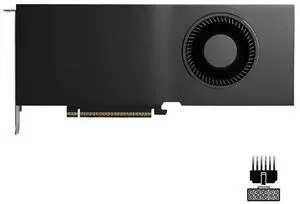
For the 48GB+ row above, the NVIDIA RTX PRO 5000 Blackwell 48 GB is the workstation card we stock in that class.
These are broad guidelines, not hard limits. Actual model fit depends on architecture, quantisation, context length, runtime overhead and whether some layers are offloaded to system RAM. The important point is simple: buy for the AI workloads you actually intend to run, not just the biggest GPU you can afford.
Local AI versus cloud AI: the economics are changing
Cloud AI is convenient. You can access powerful models without buying expensive hardware. But cloud usage introduces recurring costs. A developer or business using AI heavily may pay for API calls, subscriptions, hosted inference or dedicated GPU instances.
Local AI has a different cost structure.
| Factor | Cloud AI | Local AI |
|---|---|---|
| Initial investment | Low | High |
| Ongoing inference cost | Usage-based or subscription | Primarily electricity and maintenance |
| Data control | Depends on provider and configuration | Greater control on your own hardware |
| Internet dependency | Usually required | Not always required |
| Model choice | Provider-dependent | Depends on hardware and software |
| Hardware maintenance | Provider's responsibility | Your responsibility |
| Scaling | Usually easier | Requires additional hardware |
The right choice depends on usage. For occasional AI queries, a cloud subscription may be more economical. For continuous workloads, private data processing, development, experimentation or heavy inference, local hardware may become attractive.
However, a GPU purchase should not be justified by assuming that cloud subscriptions will automatically cost more. Calculate your expected workload, electricity consumption, hardware depreciation and opportunity cost before deciding. If you are still mapping out which class of accelerator fits your workload at all, our guide to choosing between accelerator classes covers the trade-offs between discrete GPUs, unified-memory mini PCs and edge devices.
The interesting opportunity: hybrid AI
The future does not have to be entirely local or entirely cloud-based. A hybrid approach can make more sense:
- Run smaller models locally for everyday tasks.
- Use specialised local models for private data.
- Send complex tasks to cloud models when necessary.
- Use local inference for repetitive workloads.
- Keep cloud spending for tasks that genuinely need larger models.
This approach gives users more control without requiring every task to run on expensive hardware.
Should you buy a GPU now or wait?
There is no universal answer. If you need a GPU for work, development or an existing project, waiting indefinitely for prices to fall may cost more in lost productivity than you save on hardware. But if you are buying purely for experimentation, it makes sense to be selective.
A few practical principles:
- Don't overpay for flagship hardware. The RTX 5090 is an extremely capable card, but its recent retail pricing makes it difficult to justify for many individual users.
- Prioritise VRAM. For local AI, memory capacity can matter more than a small difference in gaming performance.
- Compare the full system cost. Include power supply, RAM, storage, cooling and electricity. Our guide to power, cooling and system balance is the place to start.
- Consider used workstation hardware carefully. Older GPUs can offer substantial VRAM for the money, but check condition, warranty, power requirements and software compatibility.
- Don't buy based on future rumours. Choose hardware that supports the models and workloads you want to run today, while leaving some room for growth.
The most important thing is to avoid panic buying. A rapidly changing market can create a sense of urgency, but a poorly chosen expensive GPU is still a poor investment.
If you have already settled on a 16GB-class card and want to buy before the next price snapshot, the ASUS Prime GeForce RTX 5080 16GB GDDR7 is the model the India data above tracks. If you are still shortlisting, start from the AI Accelerators category rather than from a single card.
The bigger picture: AI should not belong only to big companies
There is something interesting happening in the AI industry. The largest technology companies are investing billions in data centres, specialised chips and AI infrastructure. They are building increasingly powerful models and services.
At the same time, open-weight models are improving, inference software is becoming more efficient, and consumer hardware is becoming increasingly capable. This creates a genuine opportunity for individuals and smaller businesses. You do not necessarily need access to a billion-dollar data centre to start experimenting with AI. You can run models on your own computer, build private AI assistants, automate development workflows, experiment with agents and create applications without depending entirely on external AI providers.
But the hardware barrier remains real. As GPU and memory prices rise, making informed hardware decisions becomes even more important. The goal should not be to own the most expensive GPU. It should be to own the right hardware for the AI you want to run.
Building your own local AI setup?
At SwyamAI, we're interested in making local AI hardware easier to understand and more accessible. Whether you're a developer experimenting with open-weight models, a business looking for private AI infrastructure or someone building their first local AI workstation, choosing the right components is the first step.
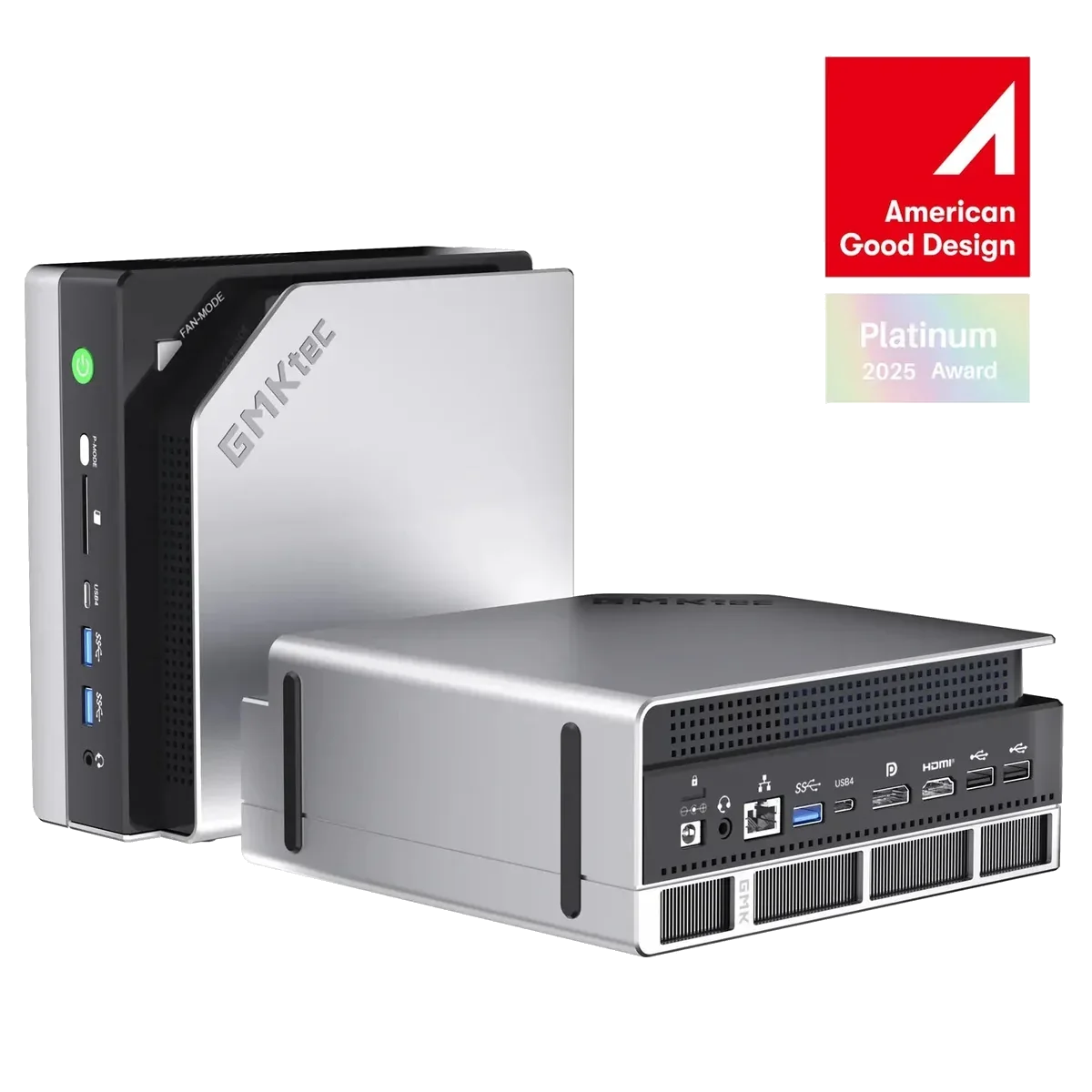
If you want a worked example of matching model size to memory before you spend anything, our article on why a 70B model takes 40 GB walks through the arithmetic. And if you are weighing a discrete card against a unified-memory machine, the AI Mini PCs category is the other side of that comparison: the GMKtec EVO-X2 AI Mini PC, with its Ryzen AI Max+ 395, is what one of those machines looks like.
We're building around a simple idea: AI should give you more control, not make you permanently dependent on someone else's infrastructure.
FAQ
Are GPU prices actually rising, or is this a few scalped listings?
Both things are true at once. TechSpot's India data tracks the lowest in-stock retail price, which filters out most speculative listings — and that floor still rose 222% for the RTX 5090 and 91% for the RTX 5080 between November 2025 and October 2026. The ₹8.40 lakh figure is an extreme top-of-market listing, but the direction of the floor is the more meaningful signal.
Is AI the only reason GPU prices are going up?
No. Memory supply, limited GPU availability, product allocation toward higher-margin models, and retailer pricing all contribute. AI infrastructure demand is an added pressure on an already constrained semiconductor and memory supply chain, not a single cause.
Does a higher GPU price make local AI a bad idea?
Not automatically. It changes the break-even point. Local AI makes most sense for continuous workloads, private data and heavy inference where per-token cloud fees add up. For occasional use, a cloud subscription is still cheaper. Run the numbers on your own workload before buying.
Should I wait for prices to come down?
If the GPU is for paid work or an active project, waiting has a real cost in lost productivity. If it is for experimentation, be selective: prioritise VRAM over flagship branding, and compare total system cost rather than the card alone.
Final thoughts
GPU prices are no longer just a concern for gamers. As AI infrastructure expands, the demand for memory, accelerators and advanced semiconductor manufacturing is influencing the broader hardware ecosystem. The recent Indian retail price snapshots for the RTX 5090 and RTX 5080 show just how sharply some high-end products have moved.
That does not mean every GPU is becoming unaffordable, or that every price increase is caused by AI. But it does mean that people planning to build local AI systems should pay closer attention to hardware pricing, VRAM and total ownership costs.
Cloud AI gives you access to powerful infrastructure. Local AI gives you more control over it. And in a world where AI is becoming increasingly important, having that choice may matter more than ever.
Sources and verification
Checked against primary reporting:
- TechSpot — GPU Pricing Q4 2026 — October 2026 India retail snapshots for RTX 5090 and RTX 5080.
- TechSpot — GPU Pricing Mid-2026 — earlier 2026 snapshots used for the trend line.
- Ars Technica — RAM shortage chaos expands to GPUs, high-capacity SSDs, and even hard drives — memory shortage effects and the 300–400% RAM kit price rise.
- Reuters via Investing.com — Nvidia customers notified about AI-related price hikes above 15% — AI server pricing reports.
- The New Indian Express — NVIDIA GPU price rise pushes up AI infrastructure costs — RTX PRO 6000 Blackwell listing prices.
Not independently verified:
- The Bloomberg report on NVIDIA AI server price increases, as relayed by Reuters. Reuters stated it could not independently verify the report and NVIDIA did not immediately comment.
- The ₹8.40 lakh RTX 5090 figure is a single extreme retail listing, not an average transaction price.
Owner's measurements: none. This article contains no first-party benchmarks or hands-on testing; all figures are attributed to the sources above.
Could not be verified: current live pricing at the time of reading. Retail prices move; treat every number here as a snapshot with a date attached.